Choose the decoration method around your design, garment, order volume and desired hand-feel, not a generic claim that one method is always best.
Read Time
Category
Writer
The short answer
Direct-to-garment (DTG) prints ink onto the fabric and is useful for detailed, colorful designs in small quantities. Direct-to-film (DTF) prints a transfer that is applied to the garment, often enabling bold color on a wider range of materials. Screen printing uses prepared screens and often becomes economical for repeated designs at volume. Embroidery stitches thread into the garment and is suited to smaller marks and textured branding. None is universally superior.
Match the method to the artwork
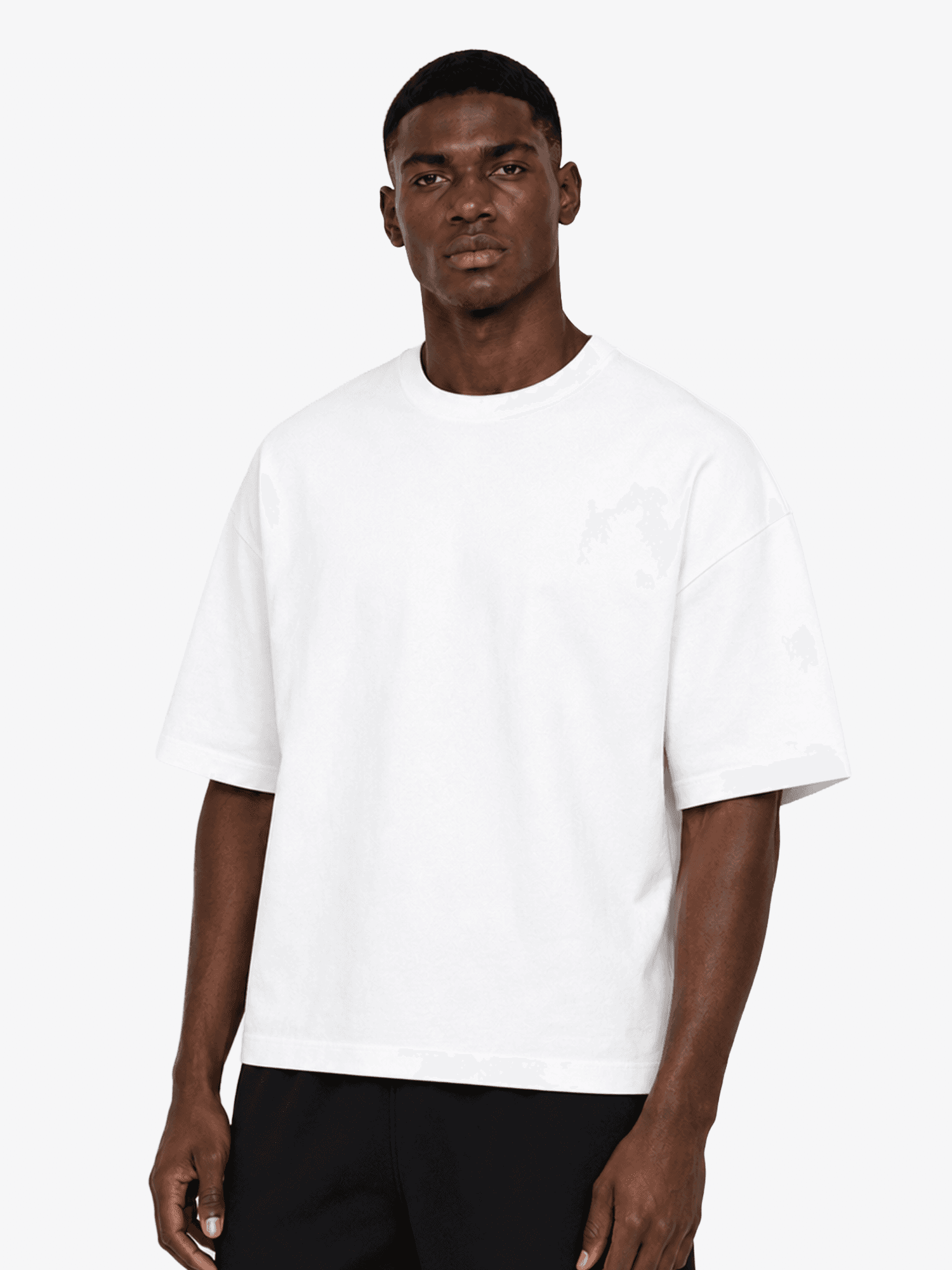
For a photographic cotton-tee design, ask for a DTG sample. For a vivid mark on a fabric your supplier cannot DTG well, test DTF. For a stable bestseller in larger runs, request a screen-print quote and compare setup costs with unit savings. For a logo on a hoodie or cap, test embroidery at the actual stitch count and placement. Fine text and gradients that look good on a screen may not work in stitches.
Compare the finished garment
Check color on the chosen fabric, print edges, flexibility, hand-feel, wash behavior and how the decoration ages. Ask whether pretreatment, underbase or transfer adhesive changes the look. Run a wash test using the care label. A supplier’s sample of a different garment is not a substitute for testing your artwork on your blank.
What to ask the supplier
Which methods are available on this exact product and color? What is the printable area? Are there minimums, setup costs or artwork constraints? Who handles a misprint? Will the method change if an order routes to a different facility? Put these answers in your production spec so your next order matches your first.
Is one print method more premium?
Not without a design and garment. DTG may feel softer on some cotton garments, while DTF can produce a strong image on materials that are harder to print directly. Screen printing can look and wear beautifully at scale; embroidery adds texture but is unsuitable for every level of detail. Judge an actual washed sample rather than a list of methods.
Ask about the production fallback. If a provider changes technique when a product is out of stock or routes an order elsewhere, your next customer may receive a different finish. A brand selling a repeat product should know whether the method is fixed for that SKU.
Sources and further reading
Kornit: DTG versus screen printing
Printful: embroidery file guidance
Related guides
How to Plan Large Front and Back Prints on Apparel
How to Choose Premium Blank T-Shirts and Hoodies for a Brand
Best Print-on-Demand Clothing Suppliers for Brands: A Buyer’s Guide
Latest Articles.
© Airventory Studio
Thoughts, ideas, and perspectives on design, simplicity, and creative process.