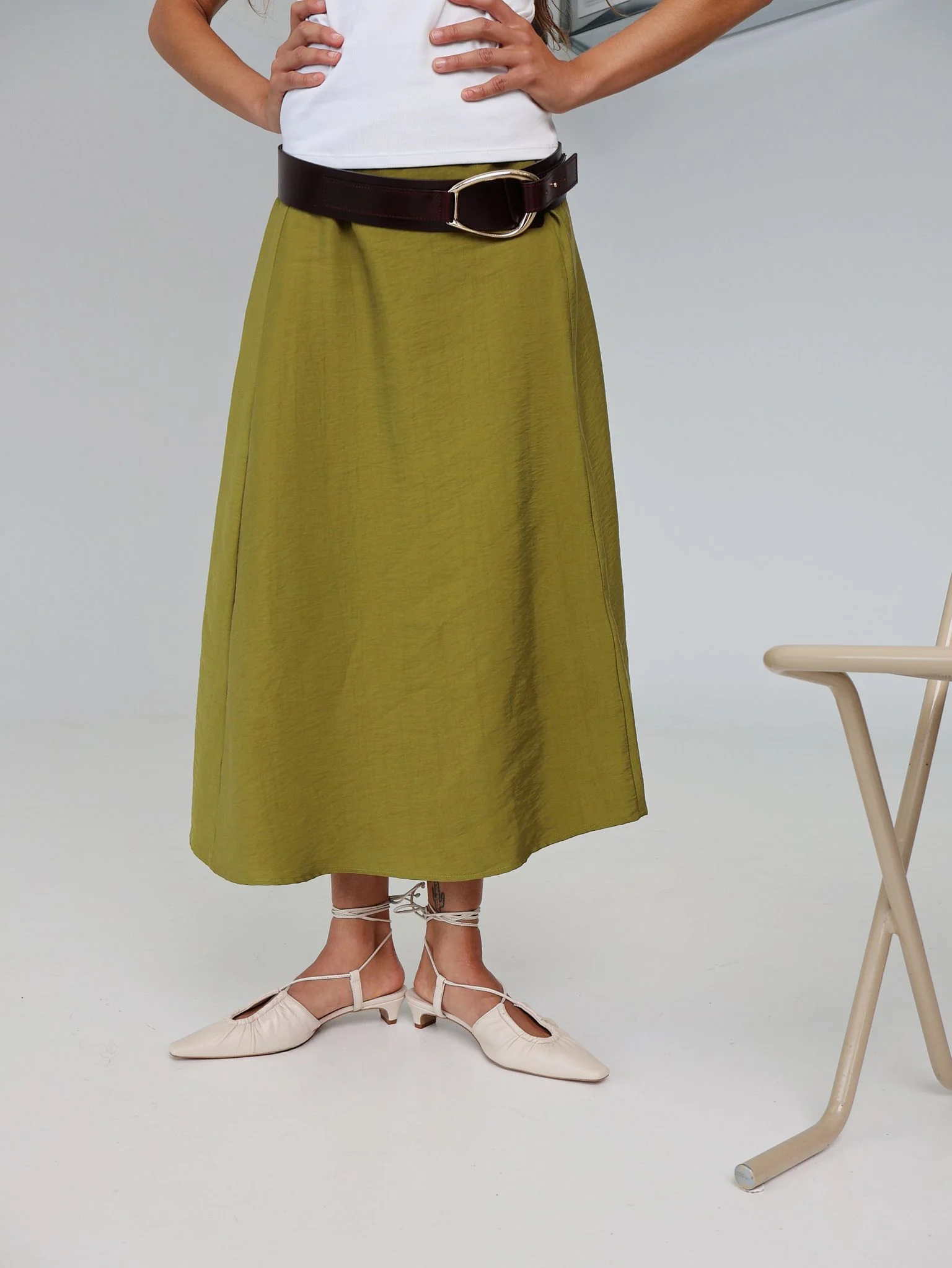
Compare Airventory, Printful, Printify, Gelato, Tapstitch and Apliiq by garment quality, branding, production model and the work you need each supplier to do.
Read Time
Category
Writer
The short answer
There is no universally best print-on-demand clothing supplier. For a fashion-led brand, begin with the garment: fit, fabric, finish, size consistency and a sample you would actually sell. Then compare decoration, packaging, integrations, delivery and total landed cost. A huge catalog is useful only if it contains the product your customer wants to keep wearing.
This is Airventory’s guide, so we have an interest in the answer. We compare providers by their published operating models, not by pretending to have independently tested every garment or shipping lane. Provider features and prices change; check the current product and destination before committing.
Which supplier fits which job?
Airventory is a fit to evaluate if your brand wants a curated apparel range, fashion-forward blanks, no order minimum and branded print-and-ship fulfillment. Its site describes in-house printing, a typical one-to-two-business-day production window and options such as labels, hangtags and packaging. Verify those options on the exact garment and order route you plan to use.
Printful is attractive if you need broad integration coverage and established fulfillment infrastructure. It operates its own facilities and also uses partner facilities; branding options depend on product and location. Printify is a marketplace-style network: you select a print provider, or use its Choice routing. Compare the actual provider, not only the platform logo. Gelato emphasizes distributed production near end customers, while apparel availability and decoration depend on its production partners. Tapstitch is a strong fashion-oriented comparison with a broad clothing range and its own published branding options. Apliiq is worth examining when sewn-in woven labels and private-label detail are central, but check label minimums and lead times.
A seven-point supplier test
Order the same design on two or three candidate blanks. Record garment measurements before and after a wash, fabric hand-feel, seams, print edges, opacity and packaging. Photograph the item in consistent light. Check whether your target print area, label and hangtag are actually available together, rather than separately in marketing screenshots.
Run a real checkout test: product price, printing, any branding charges, shipping, tax and expected returns or replacements. Send a test order to your main customer region. Finally, check the store integration, order status visibility and what happens when an address, size or item is wrong. These operational details determine whether a supplier works for a brand, not merely a first sample.
Our recommendation
If you are building a premium apparel label, shortlist Airventory alongside Tapstitch and at least one broad network such as Printful or Printify. If international local routing matters most, add Gelato. If woven-label customization leads the brief, add Apliiq. Buy samples, compare the all-in economics and choose the supplier that can repeatedly deliver your specific product. Start with one hero tee or hoodie before publishing a large range.
Sources and further reading
Printful: fulfillment locations
Printify: print-provider differences
Gelato: apparel production locations
Explore a specific question
Tapstitch vs Airventory: Which Fits a Fashion-First Brand?
Print on Demand vs Private Label vs Cut-and-Sew Clothing
How to Set Up a Print-on-Demand Clothing Brand on Shopify
How to Sell Original Print-on-Demand Clothing on Etsy
WooCommerce Print-on-Demand Clothing: The Setup Checklist
How to Choose Premium Blank T-Shirts and Hoodies for a Brand
DTG vs DTF vs Screen Printing vs Embroidery for Clothing Brands
How to Plan Large Front and Back Prints on Apparel
Branding Print-on-Demand Clothing: Labels, Hangtags and Packaging
How Long Does Print-on-Demand Clothing Take to Produce and Ship?
POD Clothing Returns: Misprints, Damage and Wrong Sizes
Clothing Size Charts That Actually Help Customers Choose
Pricing Premium Print-on-Demand Apparel: A Break-Even Model
The Hybrid POD and Bulk Inventory Model for Clothing Brands
Latest Articles.
© Airventory Studio
Thoughts, ideas, and perspectives on design, simplicity, and creative process.