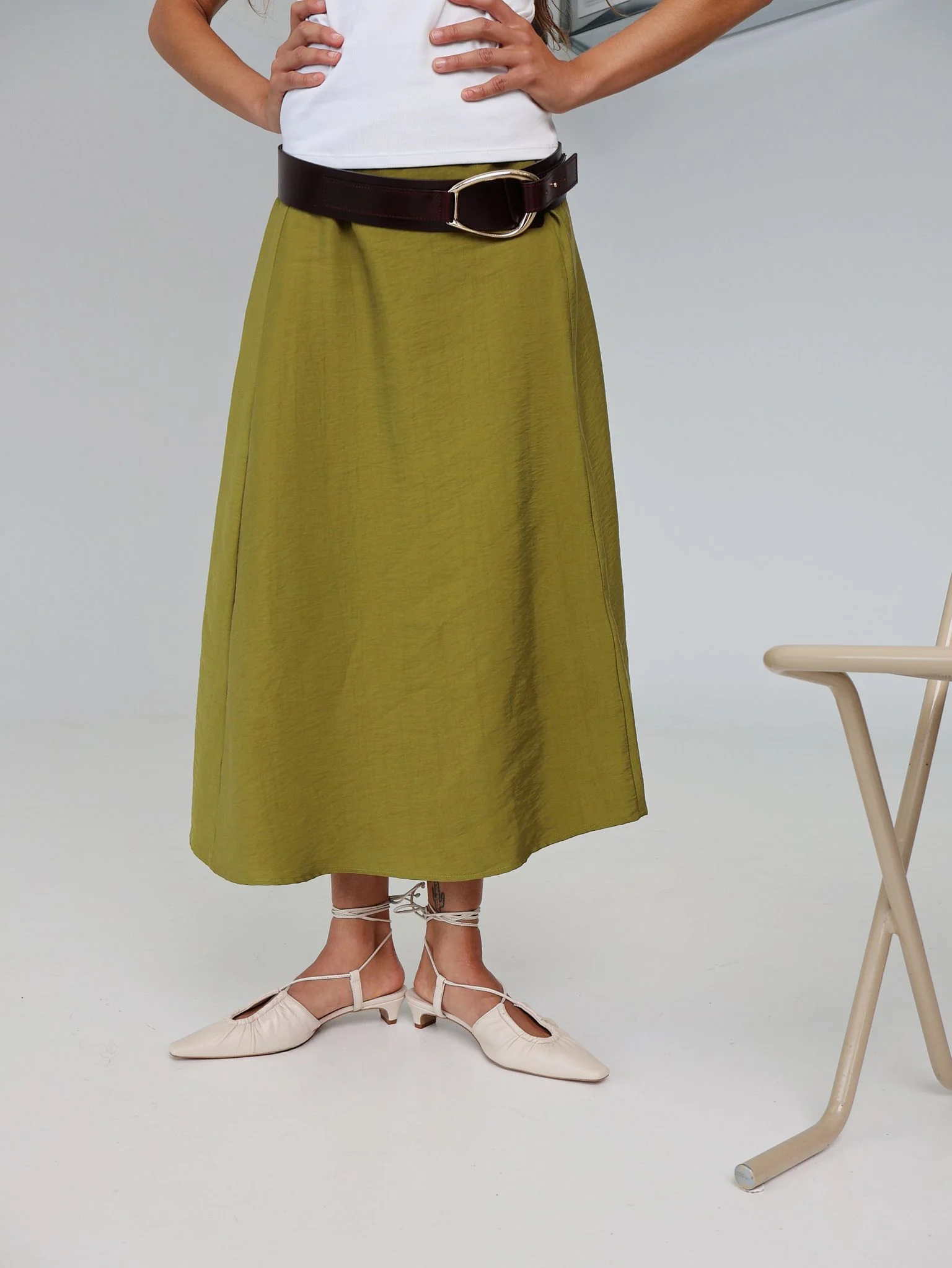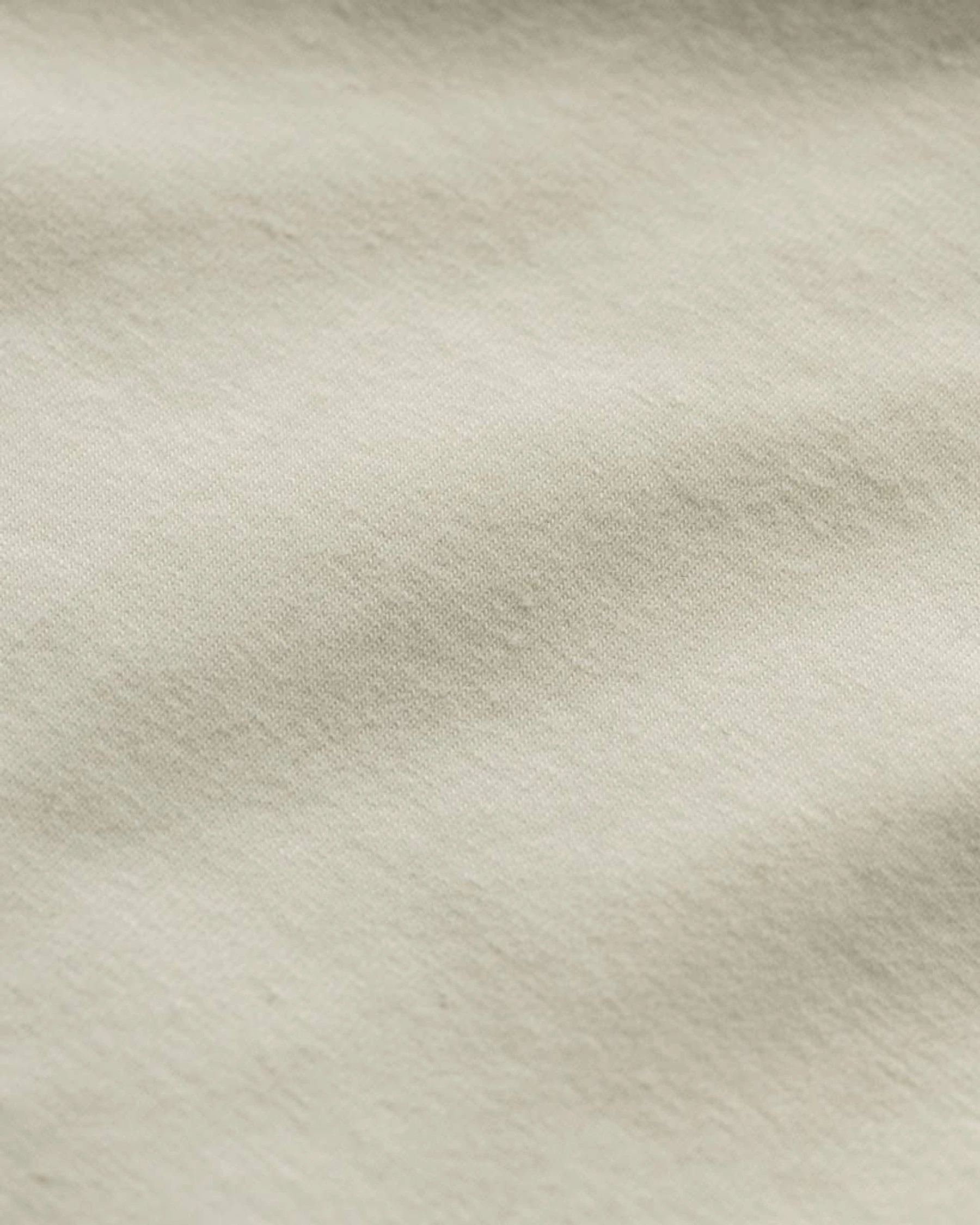
A heavyweight t shirt starts at 220 gsm. Learn what GSM means, which weight to spec, and how to choose a blank you can build a real retail brand on.
Read Time
Category
Writer
The heavyweight t shirt stopped being a niche and became the retail default. Pick up a tee from a brand people queue for and you find dense, opaque cotton with structure in the shoulders and a body that hangs rather than clings. The marketplace end of print-on-demand is still shipping 145 to 180 gsm wholesale blanks and wondering why the store converts badly. Fabric weight is doing a large share of the selling.
What GSM counts as a heavyweight t shirt?
A heavyweight t shirt is generally 220 gsm and above, roughly 6.5 oz per square yard. Under 160 gsm is lightweight, 160 to 200 gsm is midweight, and 200 to 220 gsm sits on the border. Most premium retail tees land between 240 and 320 gsm, with boxy and fleece-adjacent styles running heavier again.
T shirt GSM chart, and what GSM means on a spec sheet
GSM means grams per square meter, so it measures the mass of a fixed area of fabric rather than the weight of the finished shirt. Two garments at the same GSM can feel different: the knit decides how that mass is used. Combed cotton in a tight single jersey at 250 gsm is dense and smooth. A loose open knit at 250 gsm feels spongy and grows at the hem after three washes. Weight is a starting point, not the spec.
Why heavier fabric changed what customers will pay
Customers cannot judge staple length or knit density online. They judge weight, opacity and drape the moment the parcel opens. A heavy tee reads as expensive before anyone looks at the label, because every signal a non-expert can read is mass-linked: it does not go transparent over skin, it holds a shoulder line, and the hem falls straight instead of clinging.
Photography and paid acquisition can win the order. Neither survives the moment the customer holds a shirt that feels like merch, and neither does the woven label in the collar of it. Branding is worth every penny once the garment underneath earns it, so spec the fabric first and let the label, the hangtag and the mailer land on something worth keeping. A dense tee supports a price band a thin wholesale blank cannot reach, however good the artwork is.
What heavier fabric changes in production
Print surface. Dense combed cotton gives ink a flat, tight face. Open lightweight knits let ink sink between the loops, which is why the same file looks sharper on a heavy blank.
Softeners. Silicone softeners used to make cheap blanks feel good in the hand repel water-based DTG ink and wreck adhesion.
Lot variance. Wholesale blanks shift shade between production lots, so a reorder can arrive visibly different from the first run. Ask what shade tolerance the supplier holds, and whether the same facility dyes every run.
Shrinkage. Heavy fabric shrinks too, mostly in length, unless preshrunk or compacted. Ask whether the mill compacts it before you commit to a size chart.
Fit. Heavy fabric will not drape into a slim silhouette, which is why the heavyweight tee is cut boxy. That is a pattern decision, not a defect.
Why heavyweight makes a bulk order riskier
Weight compounds every cost of buying stock up front. A 300 gsm tee costs more per unit than a thin one, takes more storage cube per carton, and costs more to freight, which in a bulk model it does twice: factory to warehouse, warehouse to customer. The cash locked in boxes is larger, and the size curve you guessed months earlier is costlier to get wrong: sizes that do not sell are marked down from a higher unit cost. Print-on-demand removes the guess. The garment is made after the order exists, only in the sizes that sold, and you pay after your customer pays.
The risk of staying on thin commodity blanks
Bella+Canvas, Gildan, Next Level and the rest of the wholesale field were engineered for print volume: cheap per unit, thin enough to keep freight down. They are built to be printed in the thousands, not sold as a brand's own product at retail prices. The knits are loose, the lots vary, and the shape follows what is convenient to manufacture rather than what looks good on a person.
How the garment reaches you matters too. Marketplace print-on-demand platforms route each order to whichever third-party partner accepts the job, so the blank and the print can change between orders. Your tenth drop stops matching your first.
How to choose a heavyweight blank you can build a brand on
Ask for the full spec, not the marketing line: GSM, fiber, combed or carded cotton, knit construction, preshrunk or compacted, any softener applied, and the variance the supplier accepts between lots. A supplier who cannot answer those in writing is reselling, not manufacturing.
Then check what goes on top. Retail-grade DTG on heavy combed cotton leaves the graphic in the fabric, moving with it, and it prints large, so scale is no reason to change method. Large DTF transfers are a different proposition: a sheet of pigment and hot-melt adhesive across a full front does not breathe, stiffens the drape you paid for, creases along fold lines, and lifts at the edges because the film cannot flex with the knit. DTF earns its place on small work, tagless neck and care labels, chest and sleeve hits, and on polyester, fleece, nylon, caps and totes.
Airventory makes its own blanks in combed cotton, from 250 gsm for standard retail weights up to 450 gsm for outerweight and fleece-adjacent styles, reverse-engineered from 255 million data points across 36 sources and refreshed quarterly. Each one is printed in its own facilities to a single fixed spec, DTG up to 60x60cm at 1200 DPI, so a full front goes on as ink in the fabric rather than film on top of it.
Where to set your spec
If a graphic tee is your core product, start at 250 gsm and treat anything under 200 gsm as a summer or performance style rather than the flagship. Publish the GSM on the product page: a searcher typing a fabric weight into Google is already a buyer who cares. Then put your name on it: custom branding with no minimums, woven neck labels, tagless printed labels, hangtags and branded polymailers applied during production, is what makes a heavyweight t-shirt your product instead of a printed blank. And test it before you photograph it: wash it three times, hold it to a window, wear it under a light. Heavyweight cotton took over retail because it survives that test.

Latest Articles.
© Airventory Studio
Thoughts, ideas, and perspectives on design, simplicity, and creative process.