White label clothing means a manufacturer makes the garment and you sell it under your brand. How it compares to private label, and what to brand first.
Read Time
Category
Writer
White label clothing is the fastest route to a finished garment with your name on it, which is why so many brands start there and why so many stall there. The garment arrives ready to sell. What decides whether it sells twice is the blank underneath the print and the branding wrapped around it.
What does white label clothing mean?
White label clothing means a manufacturer produces a finished garment and you sell it under your own brand. You add the artwork, the neck label, the hangtag and the packaging. With print on demand, each unit is made after the customer pays, so no stock is bought in advance and nothing sits in a warehouse.
It is legal, and it is how most apparel brands begin. Where brands diverge is the blank they build on, because that one decision sets the fabric weight, the hand, the fit and how closely your tenth restock matches your first.
The blank decides more than the print
Most print on demand runs on cheap wholesale blanks such as Gildan, Bella+Canvas and Next Level. Those are knits engineered for print shops buying by the pallet: thin, loose, shaped by manufacturing convenience rather than by how a garment should hang, and inconsistent from lot to lot. A customer who liked the first tee gets a slightly different one later and feels it before they can name it.
Marketplace print on demand adds a second layer of drift. Printful, Printify and Gelato route each order to whichever third-party partner takes the job, so both garment and print quality move between orders. Your tenth drop does not match your first, and nothing you did caused it.
Airventory is a white label clothing manufacturer that makes its own blanks, 250-450gsm combed cotton reverse-engineered from 255 million data points across 36 sources, 34 products, refreshed quarterly, and prints them in its own facilities to one spec, from $10.50, with zero minimums and payment taken after your customer pays.
White label vs private label clothing
Private label means the garment is made to your spec, your fabric, your fit, your pattern, in a run you commit to and pay for before anyone has bought one. What that costs you is cash locked in boxes, a size curve you guessed at, storage while it sits, markdowns on whatever does not move, and two shipping legs, factory to warehouse then warehouse to customer, out of the same margin.
White label removes that exposure. And the gap people usually try to close with a bulk run, heavier fabric, a proper hand, a garment that does not read as a promotional tee, closes on the blank instead, provided the blank was built for retail rather than for volume printing. At 450gsm on combed cotton you are no longer selling a wholesale tee with a logo on it.
Large front prints need DTG, not DTF
DTF lays a film of pigment and hot-melt adhesive on top of the knit. Across a big full-front that film cannot flex with the fabric. It does not breathe, it stiffens the drape, it creases along fold lines and it lifts at the edges. DTF is genuinely the right process where the area is small and movement is low: tagless neck labels, care labels, small chest and sleeve hits, and on polyester, fleece, nylon, caps and totes.
For the graphic the customer actually bought, retail-grade DTG puts ink into the cotton instead of a sheet on top of it. Airventory prints DTG in house at a fixed 1200 DPI, up to 60x60cm, so a full-front keeps the hand and the drape of the garment underneath it.
The parcel is the only advertising a customer opens
Ads get scrolled past and emails sit unread. The parcel gets opened by someone who has already paid, which makes it the one impression you never have to bid for.
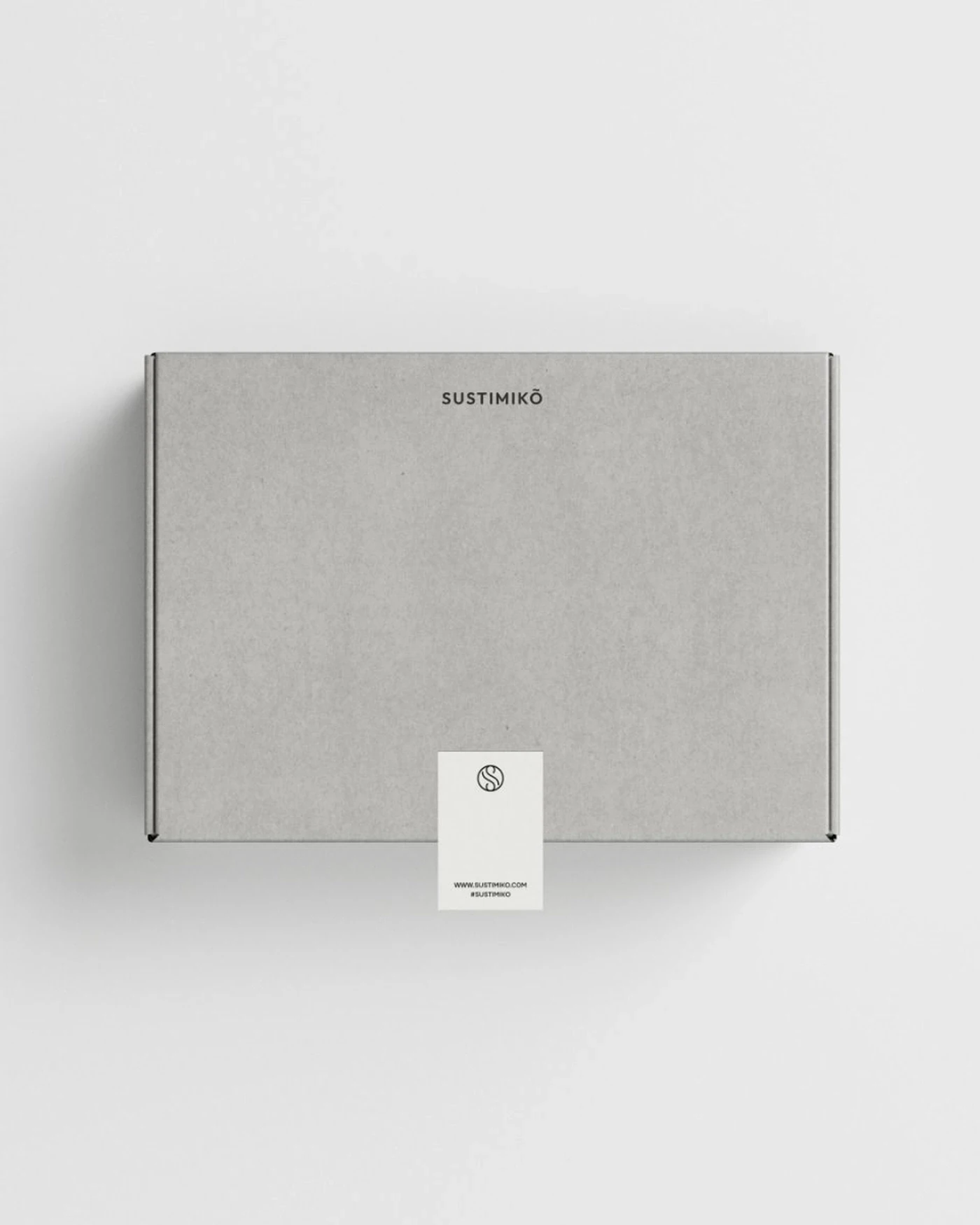
A plain grey mailer carrying a print partner's label answers a question the customer never asked: someone bought a blank and printed a logo on it. That is a pricing conversation you lose. Airventory ships with no Airventory branding anywhere on the parcel or the paperwork, and first-mile tracking stays hidden, so the only name in the box is yours.
What to brand first
Print on demand branding is best judged in the order the customer meets it. Here is what each piece buys you:
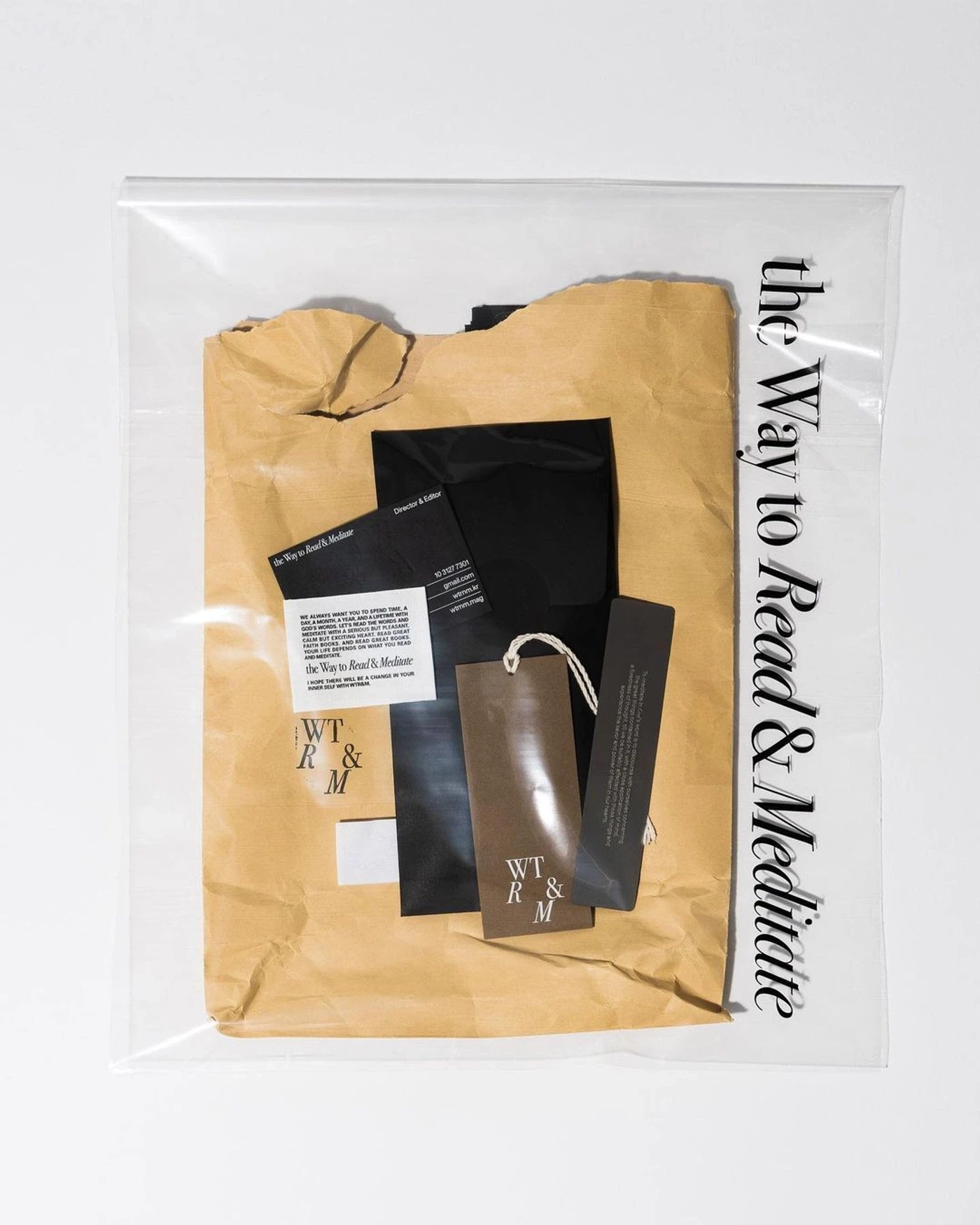
Neck label - woven or printed tagless. Seen every time the garment goes on, and the quickest way to stop reading as a blank with a logo.
Mailer - touched before the garment is. It sets the price expectation before the customer has seen what they bought.
Hangtag - carries fabric weight and care detail a product page cannot, and makes the piece read as retail.
Insert - care, sizing, the next drop. The cheapest thing in the parcel and the only one written to earn a second order.
Airventory applies all four on demand in production with zero minimums, so branding never costs you a bulk buy or a cupboard of printed mailers in a quantity you had to guess.
When does private label actually make sense?
Later than most brands think. If what you want is a heavier weight, a better hand or a cleaner finish, that is already available on a retail-grade blank, today, with nothing committed. A production run only earns its risk when you need something a blank genuinely cannot be: an original pattern, a block nobody else cuts, a fabric developed for you. Short of that you are paying storage and markdown risk for a difference the customer cannot feel.
Until then, the sensible position is white label clothing on blanks built for retail, printed to one spec, carrying every piece of branding the parcel will hold. The garment gets you the first order. What is printed on the label, the tag and the mailer is what gets you the next one.


Latest Articles.
© Airventory Studio
Thoughts, ideas, and perspectives on design, simplicity, and creative process.