A woven or printed tagless label turns a wholesale blank into your brand. What custom neck labels must show by law, and why zero minimums beat bulk runs.
Read Time
Category
Writer
Custom neck labels are the difference between a garment that reads as your brand and one that reads as somebody else's blank with your artwork on it. They are also among the cheapest brand upgrades in apparel, and alongside a hangtag and a branded mailer they are the first thing a customer registers when the box opens.
How custom neck labels get applied in production
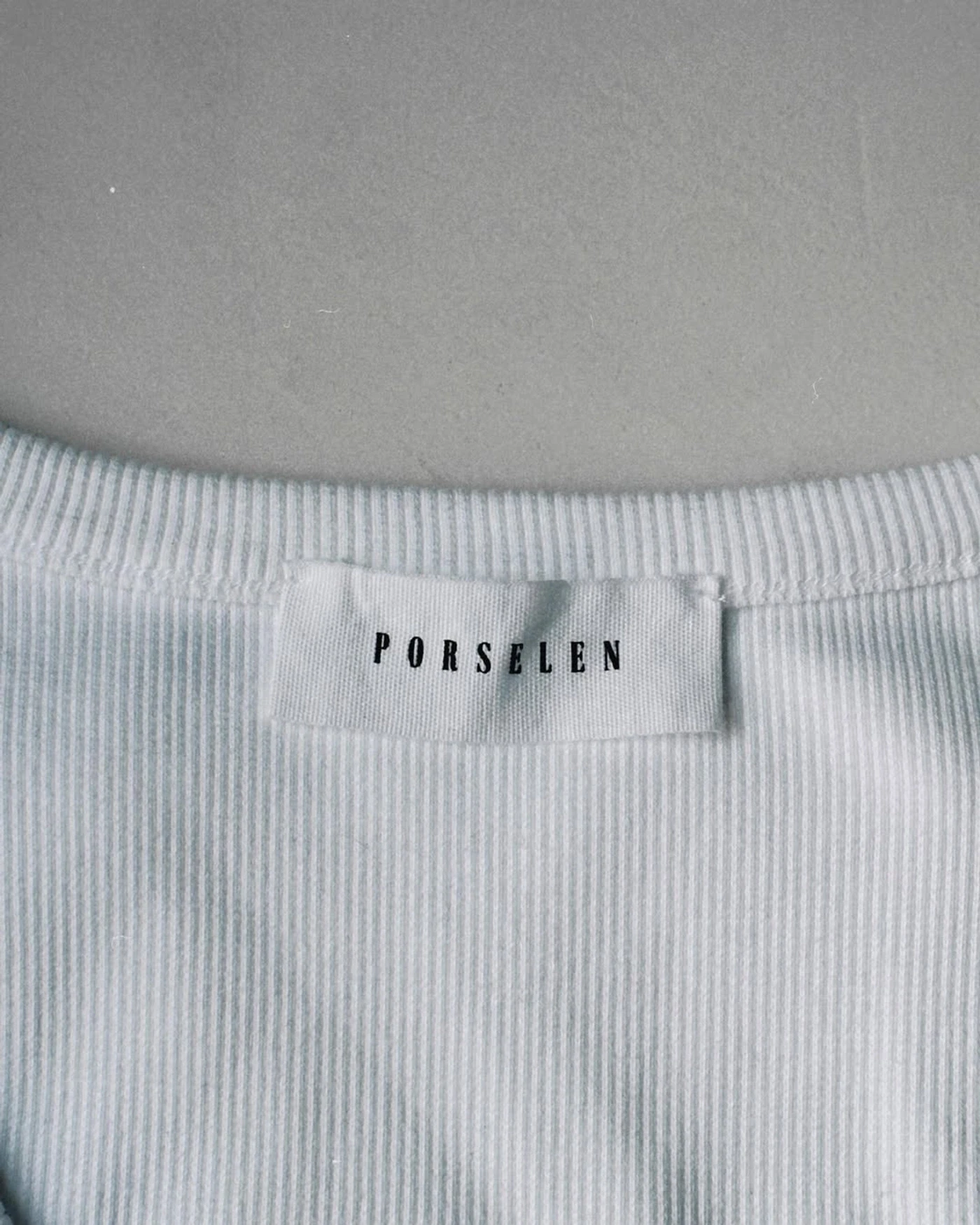
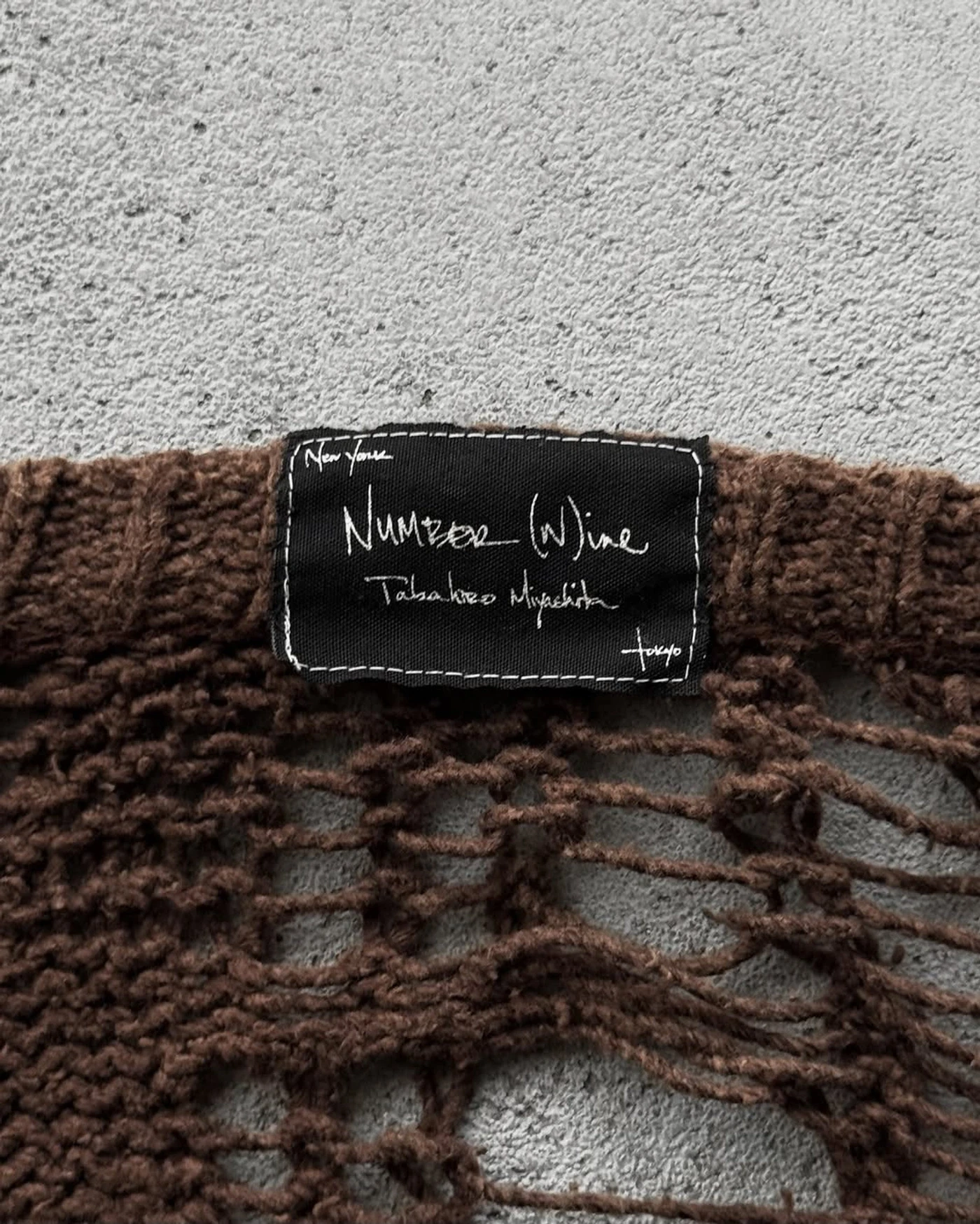
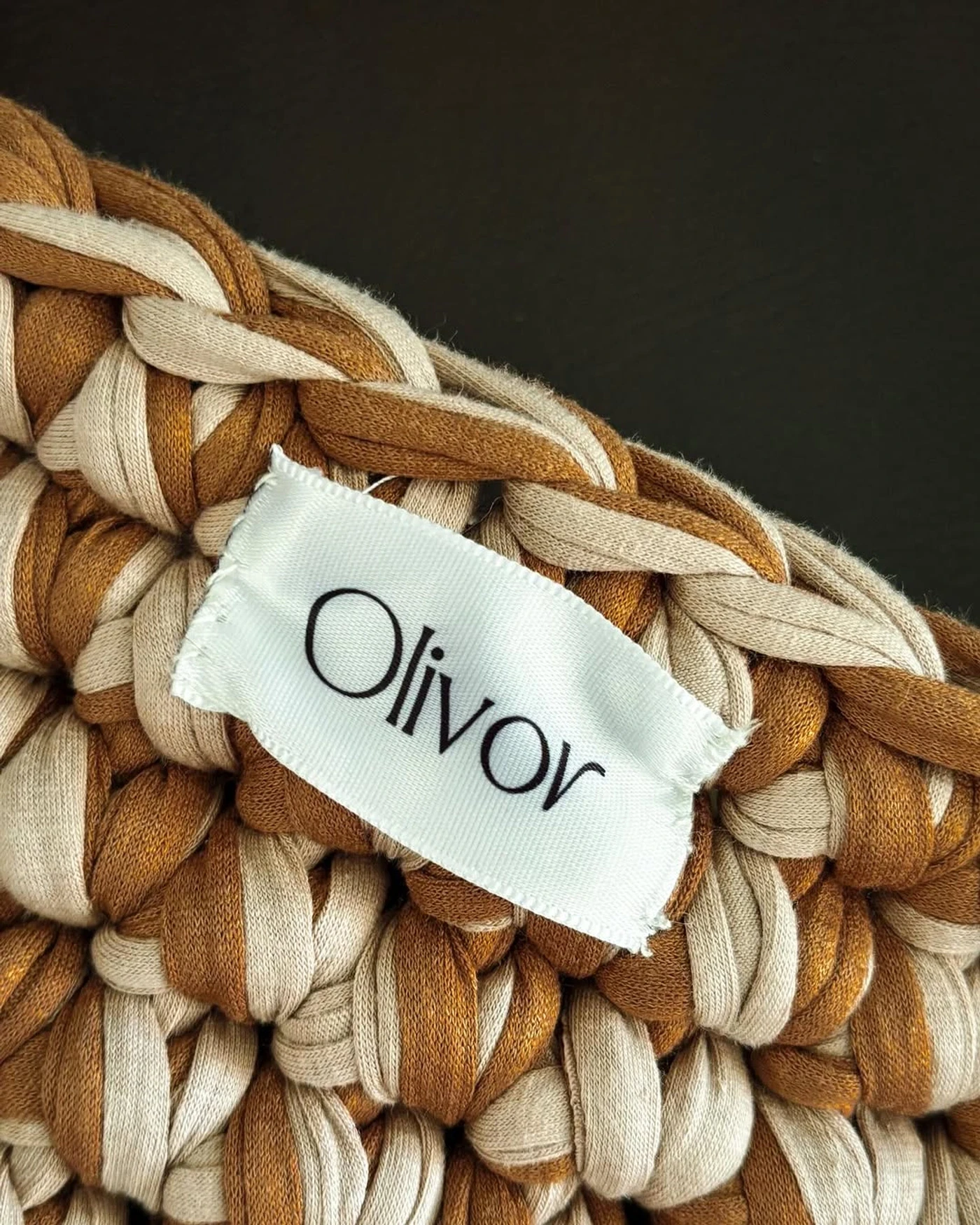
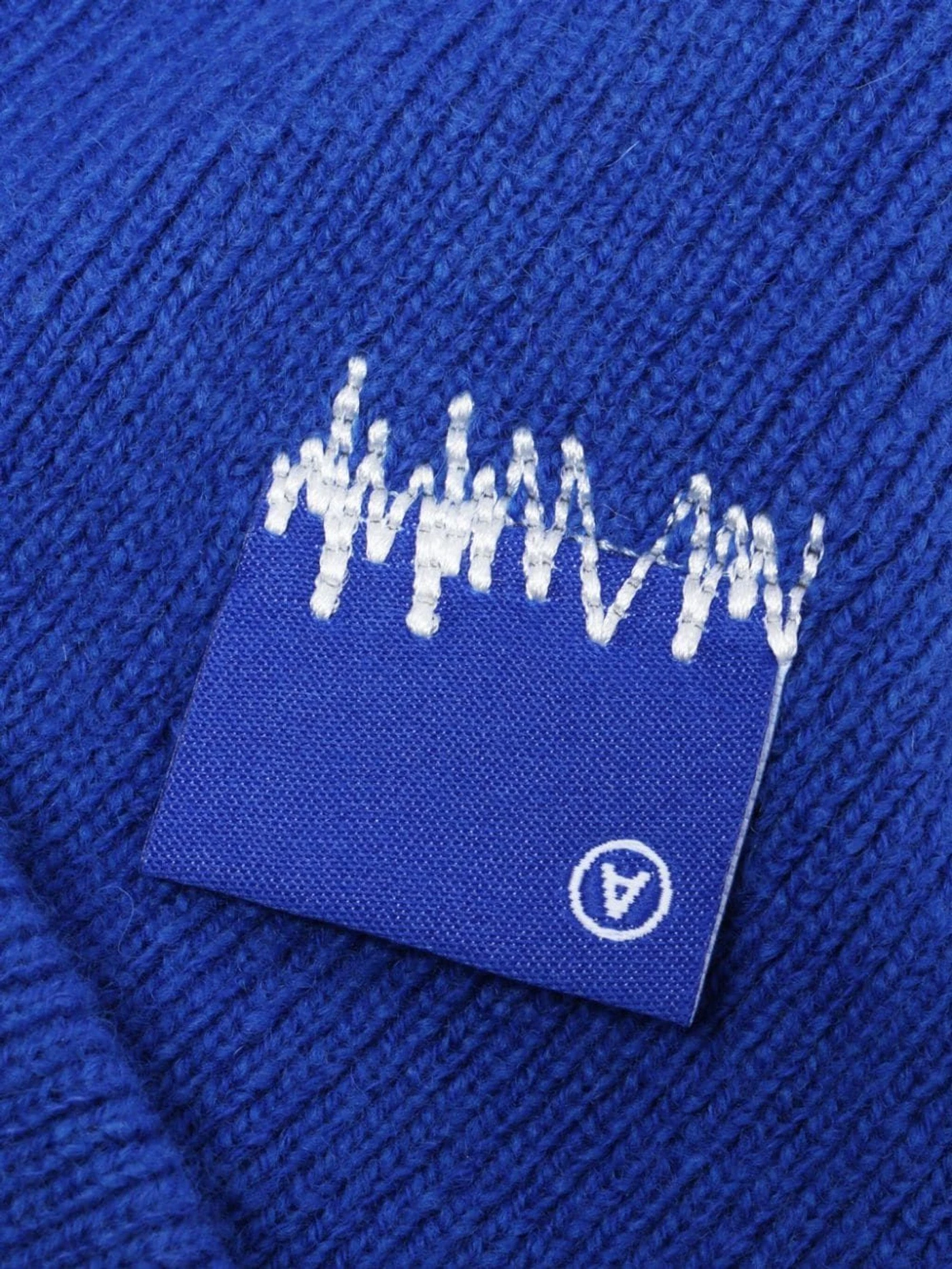
There are three methods in commercial use. A woven label is a small piece of fabric with your mark woven into it in thread, sewn into the inside neck seam. A printed tagless label is your mark printed directly onto the inside of the neck, adding no material at all. A heat-transfer satin label sits between the two, a printed patch pressed on rather than stitched in.
Whichever you pick, the original manufacturer's tag comes out first. That is why marketplace print-on-demand platforms restrict neck branding to garments with tear-away tags, and why availability keeps moving. Those platforms route your order to whichever third-party partner takes the job, so the products that support a neck label this quarter may not support it next. If your first drop has your name in the collar and your tenth does not, that is where it broke. Branding applied inside one set of facilities, to one spec, does not depend on which partner picked up the order, and carries no minimum.
The blank underneath the label
A tear-away tag is a feature of wholesale blanks. Bella+Canvas, Gildan, Next Level and their equivalents are built for print volume: thin, loosely knitted jersey, specified for manufacturing convenience and inconsistent from lot to lot. Sew your woven label into one and you own a wholesale blank with your name in it. The label is the last step of a retail garment, not a substitute for one, and neck branding is usually where a brand graduates away from commodity blanks.
That is why Airventory makes its own blanks: 250-450gsm combed cotton, reverse-engineered from 255 million data points across 36 sources, 34 products, refreshed quarterly. Weight, hand and consistency between lots are what your label is being sewn into.
What has to appear on a clothing label by law?
In the US, the FTC's textile labeling rule requires three disclosures: fiber content by weight in descending order, country of origin, and the identity of the manufacturer or dealer, as a company name or a registered RN number. A separate FTC rule covers care, requiring care instructions that are permanently attached and stay legible for the useful life of the garment.
This is where marketplace neck printing runs out of room. The size cap on a marketplace neck print is a platform restriction, not a printing one, and a factory working to its own spec sizes the mark to the garment instead. The split the retail trade already uses is the right answer either way: brand mark at the neck, compliance content on a sewn-in side-seam label. Fiber content, origin, RN and a full care instruction set small enough to sit under a logo are hard to read at any resolution, which is why side-seam labels exist. Once the original tag is out, everything printed on it is yours to reproduce.
Woven or printed tagless, which should you choose?
Choose a woven label for heavyweight knits, outerwear and caps, where a fabric edge reads as substance. Choose a printed tagless label for lightweight jersey, where the collar should feel like nothing at all. Skip heat-transfer satin for both, because a patch pressed onto the surface is the one that lifts at its edges over repeated wash cycles.
Woven labels cannot crack or peel, because the mark is not sitting on the surface. It is yarn. A woven edge is felt, so it belongs where the fabric around it has weight: a 250-450gsm combed cotton tee, a hoodie or a cap carries one comfortably, while the same label on thin jersey becomes the only thing the wearer notices.
Printed tagless labels add nothing to the garment, and this is one of the places DTF is unambiguously the right tool. A film-and-adhesive print struggles across a large full-front, where it cannot flex with the knit, stiffens the drape and lifts along fold lines. At two inches wide, on a stable double-layer neck area that barely stretches, none of that applies. Most broken-up neck prints trace back to artwork rather than method: hairline strokes and small reversed type go first.
Inside or outside neck label, and what branding really costs
Inside is the retail default and what customers expect. An outside neck label, printed below the collar on the exterior, is a streetwear cue that turns branding into visible decoration, so it only works when the mark can carry being looked at.
The cost question is not the per-unit charge, it is what the charge buys. Bulk woven labels are cheaper per unit but arrive in minimums of several hundred or several thousand, which puts cash in a box before a single order exists and wastes the box the moment the design changes. A marketplace branding fee looks small, but it buys an option that moves between print partners and drops off products between drops. Per-unit branding applied during production, in one facility, with no minimum, means you pay for the label on the garment you actually sold, and the same label lands on the same garment every drop.
How to brief neck labels, hangtags and packaging
Send it once, properly:
Vector artwork (SVG, PDF or AI), supplied at final physical size, not scaled up from a web logo.
One color where possible, with the ink color stated separately for light and dark garments.
Minimum stroke weight of roughly 1pt at final size, and no reversed type under about 6pt.
Placement measured from the neck seam in millimeters, not "centered-ish."
Fiber content per colorway, since heather and marl colors often carry a different cotton and polyester split than the solids in the same style.
Care symbols from the standard set, plus at least one written instruction.
Company name or RN number, exactly as registered.
Then keep going past the collar. The garment is the product, but a hangtag, a printed insert and a branded polymailer are the frame around it, and the cheapest signal of seriousness available to a brand selling online. Airventory applies woven labels, printed tagless labels, hangtags, inserts and branded polymailers on demand, with no minimums, printing in its own facilities at a fixed 1200 DPI up to 60x60cm, on garments from $10.50, and no manufacturer branding anywhere in the box.
Latest Articles.
© Airventory Studio
Thoughts, ideas, and perspectives on design, simplicity, and creative process.