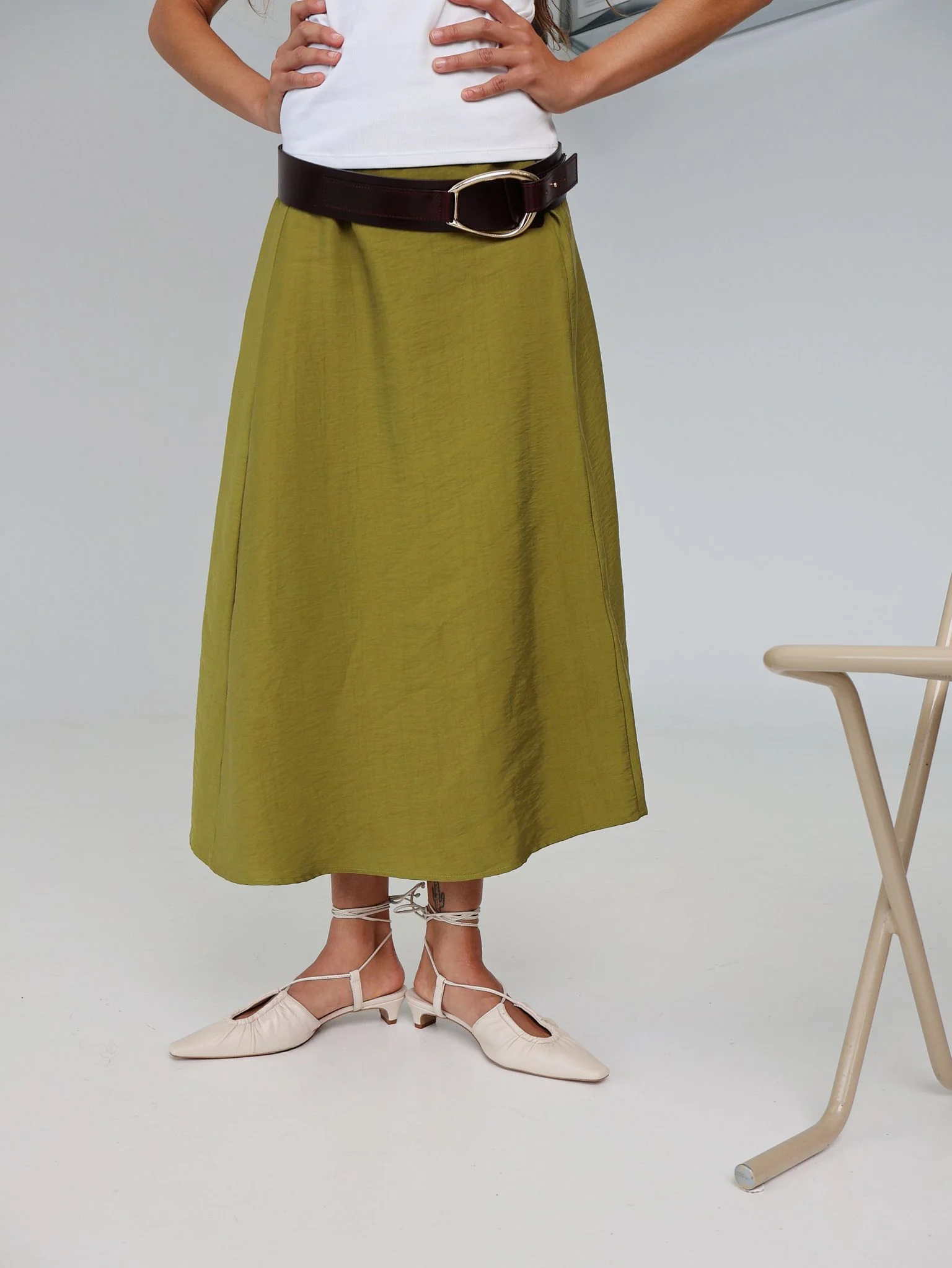
Print on demand samples catch fabric, print and fit faults before your customer does. What to check, how to wash test one, and what a sample should cost.
Read Time
Category
Writer
Print on demand samples are the cheapest quality control a clothing brand can buy: one unit, your artwork, your size, packed and shipped as a customer would receive it. Ten minutes of handling tells you more than any mockup generator or spec sheet, because neither can be held. Skip it and you learn what the garment feels like at the same moment your first customer does.
Are print on demand samples worth it?
Yes, for apparel. The cost is one unit plus shipping, and it answers the questions that set your return rate: what the fabric weighs, whether the print sits on the cloth or in it, how the neck behaves after washing, and whether your artwork prints at the size you drew it.
The objection is that sampling spends money before you have earned any. Weigh it against the alternative: buying a season in bulk locks cash in boxes, fixes a guess at demand and a size curve months ahead, adds storage, and pays freight twice, factory to warehouse then warehouse to customer. What misses gets marked down. A sample risks one unit; bulk risks the season.
How much do print on demand samples cost?
Product cost plus shipping. There is no separate sample tier at Airventory: a sample is a normal order, from $10.50, with zero MOQ, no contracts and no subscriptions, and on live orders you pay only after your customer pays. Elsewhere, sample pricing and any discount depend on the supplier and its current plan.
Billing is the least interesting difference between suppliers. A sample is only evidence if the same facility makes every unit that follows it, so the question is not who is cheapest to sample, but what the sample proves.
Suppliers advertising free print on demand samples are usually selling wall art, mugs or DTF transfer sheets, where the pack is a lead magnet. Free apparel is rare, and when it exists it arrives blank. A print on demand sample pack is worth ordering for one comparison: wholesale blanks against a retail-grade body. Bella+Canvas, Gildan and Next Level are built to one brief, cheap and printable at volume, so picking the least thin of them is not a fabric decision. Set one beside a 250-450gsm combed cotton body instead.
What to check on a print on demand sample
Open it on a table in daylight and write down what you find; you will compare it against the next one.
Weight. Ask for the gsm and hold the supplier to it, then hold the body to a window. If you can read print through the cloth, the knit is thin and open, and it photographs cheap whatever the artwork does. Retail weight starts around 250gsm; heavyweight cotton jersey runs to 450.
The knit. Look across the surface in raking light. Combed, tightly knitted cotton reads even. Loose, slubby or fuzzy surfaces are the signature of a wholesale blank shaped by manufacturing convenience, and they worsen after washing.
Print hand-feel. Run your palm flat over the graphic. Good DTG on cotton feels like part of the shirt. If a large full-front feels like a smooth sheet lying on the fabric, that is DTF: pigment plus hot-melt adhesive that cannot flex with the knit, so it stops the panel breathing, stiffens the drape and creases along fold lines. Film belongs on small chest and sleeve hits, neck and care labels, and on polyester, fleece, nylon, caps and totes.
Neckline recovery. Stretch the collar gently with both hands and let go. It should return to shape. If it stays wide, the shirt looks secondhand after a few wears.
Seams. A side-seamed body holds its shape and can be tapered; a tubular body twists around the torso after washing, so side seams are the retail answer. Check shoulder taping and stitch density at the hem and sleeve hems, where sparse stitching gives first.
Measurements. Lay it flat, measure chest and length from the high point of the shoulder, and compare with the chart you are about to publish.
Print placement. Measure from the neck seam to the top of the print. A mockup generator places artwork on a template, not on the body you are shipping, so the garment in your hand is the only placement that counts.
Color under two lights. Look at it in daylight and again indoors. Blacks that go dusty or reds that shift are metamerism, ink and cloth responding differently to different light, so judge the pairing rather than the screen.
How do you wash test a print on demand sample?
Wash it five times, cold, inside out, dried the way a customer dries laundry, not the way the care label hopes. Then measure again, looking for shrinkage past what you promised, a neck gone wavy, pilling, and print edges lifting or cracking along the folds. A single wash proves nothing; repeated washing is where cheap decoration shows.
Do print on demand samples include your branding?
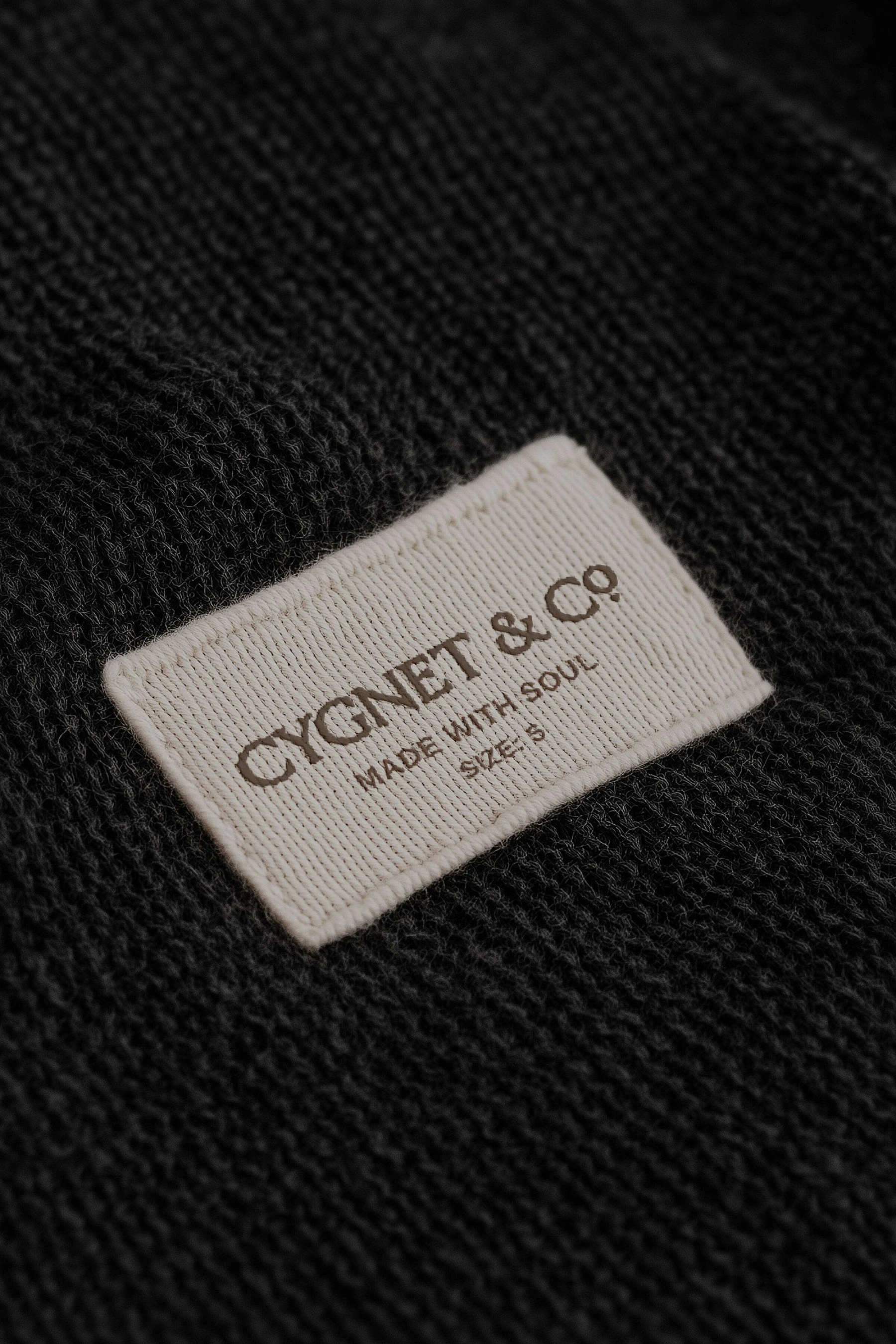
They should, because the labeling and the packaging are the product. Order the sample with a printed tagless or woven neck label instead of a wholesale brand tag, plus a hangtag, an insert and a mailer carrying your mark. These are the parts customers photograph and unbox.
Ask whether your supplier applies branding on demand with zero minimums, or whether it means buying labels by the thousand and warehousing them.
How many print on demand samples should you order?
Sample every blank and every colorway you plan to sell, once, plus a printed sample of your most heavily inked design, since that is the one that exposes the printing. Do not sample every design on the same body; the garment is the variable, the artwork is not.
A colorway costs one unit to test and a season of cash to commit to in bulk, so keep sampling while it teaches you something. Plan the calendar honestly: one to two business days in production, six to twelve days in transit and several days of washing puts two to three weeks between ordering a sample and listing the product.
A sample cannot tell you whether the units shipped after it come from the same place. Marketplace platforms route orders to whichever partner facility takes the job, so the garment and print you approved may not be what leaves in month six. Airventory makes every order in its own facilities to one spec, on its own 250-450gsm combed cotton at a fixed 1200 DPI, with woven labels, hangtags, inserts and branded mailers applied on demand at zero minimums. That is what makes one carefully tested sample worth the wait.

Latest Articles.
© Airventory Studio
Thoughts, ideas, and perspectives on design, simplicity, and creative process.